2026-10-02 · Dale Harper
How to Tell If Your Jenks Home Needs Better Attic Insulation
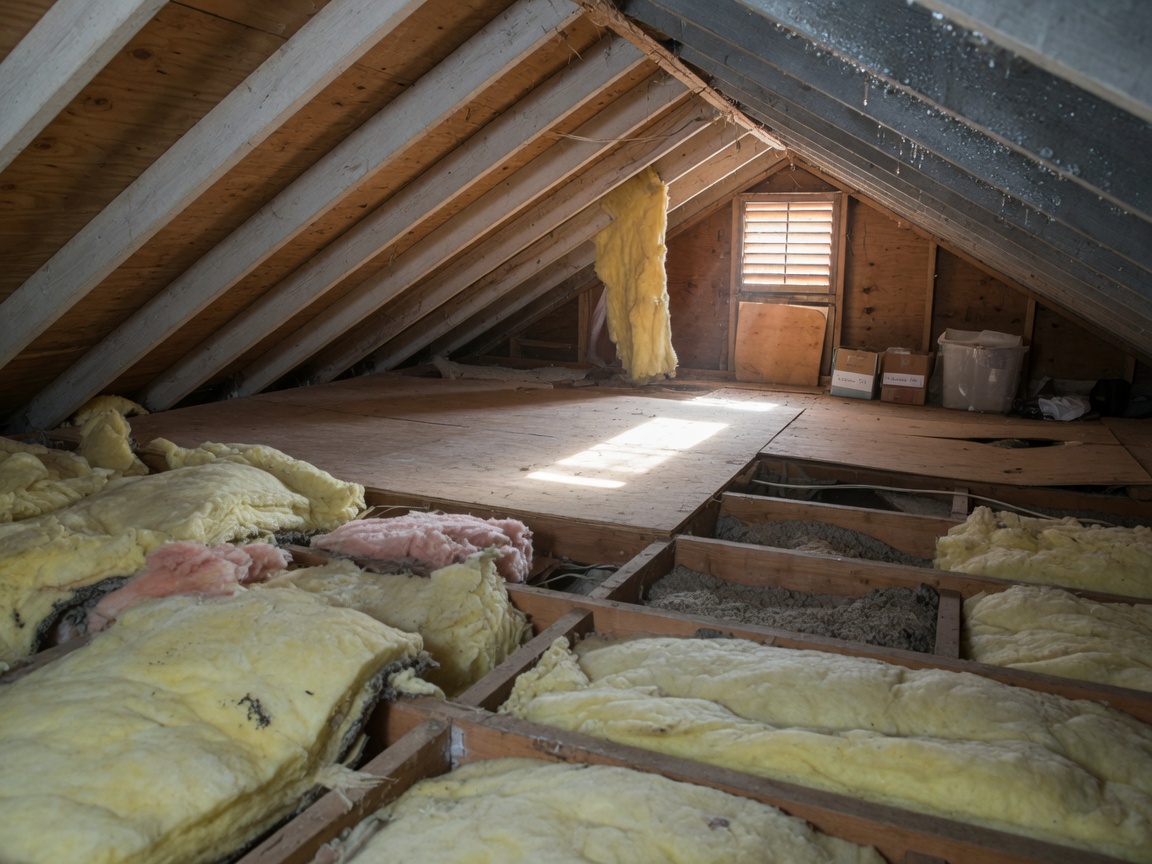
Jenks homes typically need better attic insulation when summer utility bills climb past $250 monthly or when second-floor rooms stay 8–10 degrees warmer than the main level during peak heat. These patterns appear often in older stock around Downtown Jenks and South Jenks where original batt insulation has settled or compressed over decades.
Rising Utility Costs During Hot Summers and Mild Winters
In Tulsa County’s humid subtropical climate, homes in Riverwalk and Central Park areas lose conditioned air quickly through under-insulated attics once summer highs reach the mid-90s. Residents near the Jenks Riverwalk commonly report electric bills jumping $80–$120 between May and September when R-values drop below recommended levels for the region. Mild winters still allow heat escape, so gas usage stays elevated even when temperatures rarely fall below freezing. Checking the past 12 months of statements reveals consistent upward trends tied to attic performance rather than appliance changes. Many South Jenks properties built before 1990 show the largest gaps because their original insulation was never upgraded for modern energy standards. Tracking these numbers over two seasons gives a reliable baseline before considering upgrades.
Uneven Room Temperatures and Bonus Room Problems
Temperature swings between floors signal attic insulation shortfalls, especially in two-story homes near Oklahoma Aquarium and Central Park. The top level often runs 10–15 degrees hotter in July while the ground floor stays comfortable, forcing constant thermostat adjustments. Bonus rooms over garages in Broken Arrow-adjacent Jenks neighborhoods suffer the same issue because they lack sufficient thermal barriers from the attic space below. Homeowners notice these differences most during afternoon hours when sun loads peak on south-facing roofs. Flooring above living areas may also feel warm to the touch on summer evenings. These patterns stem from heat radiating downward through thin insulation layers that no longer meet current performance needs in the local climate.
Moisture, Humidity, and Attic Inspection Steps
Jenks humidity levels climb sharply in summer, allowing moisture to accumulate in poorly insulated attics and promote mold on rafters. Walk into the attic on a clear day and look for dark streaks on sheathing, soft insulation, or musty odors near eaves in older Downtown Jenks homes. Use a flashlight to check for gaps around recessed lights, plumbing vents, and HVAC boots where air leaks bypass existing material. Measure insulation depth in multiple spots; anything under 10 inches in pre-1980 construction usually indicates settling or missing sections. Pay attention to ice dams forming along eaves during rare winter cold snaps, another sign of heat escaping the living space. These visual checks take 20–30 minutes and reveal whether current insulation handles the area’s temperature swings and moisture loads.
When Attic Spray Foam Insulation Becomes the Practical Fix
Once inspection shows widespread settling or air leaks, attic spray foam insulation often provides a durable seal that handles Jenks humidity better than loose-fill options. Homes near the Jenks Riverwalk benefit because the material expands to fill irregular joist spaces common in older roofs. Readers comparing product types can review details in our guide on open-cell or closed-cell spray foam which fits your Jenks property. Properties with bonus rooms that stay hot may also explore related solutions outlined in why your bonus room stays hot and how insulation can help. Jenks Expert Spray Foam Insulation operates Monday through Friday 8am–6pm and Saturday 8am–3pm to schedule evaluations in South Jenks, Riverwalk, and surrounding Tulsa County neighborhoods.